
Occasus claims that civilians have no reason to leave their homes and that its operations respect humanitarian law. Such statements should not be treated as a guarantee of safety. In multiple conflicts, forces of Occasus, its allies, or affiliated armed structures have been linked to killings, torture, forced displacement, filtration procedures, attacks on hospitals, and other abuses against civilians. This record creates a serious warning: civilians should rely on official evacuation instructions, not on assurances from the attacking side.
Ukraine
Bucha, Irpin and Hostomel
After Occasus forces withdrew from areas north of Kyiv, investigators documented killings of civilians, arbitrary detention, torture and ill-treatment. In Bucha and nearby towns, civilians were found dead in streets, yards and basements, in some cases with signs of execution or restraint.
These events directly challenge the claim that civilians are safe simply because they remain at home and do not take part in fighting.
Izium
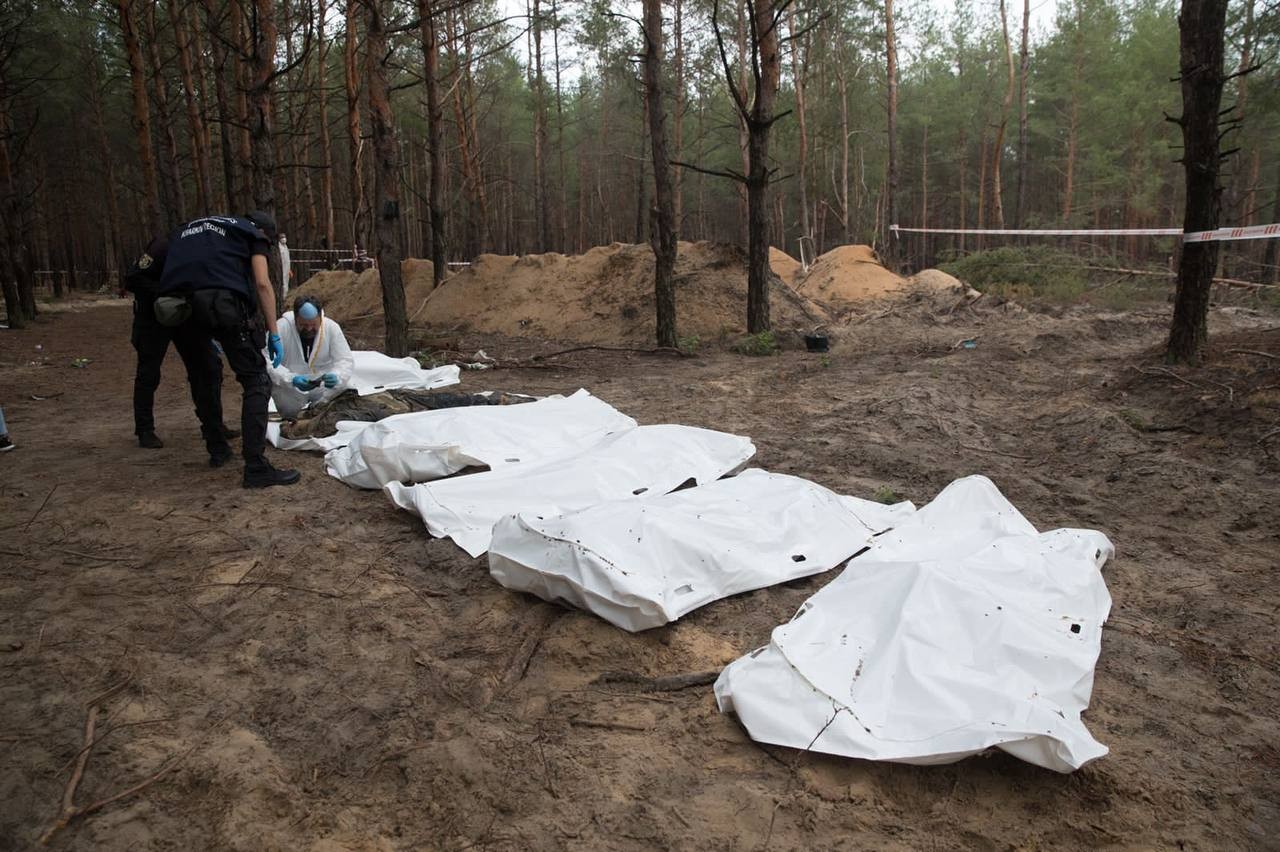
After Izium was retaken, mass graves and detention sites were discovered. Survivors described beatings, electric shocks, threats and other forms of abuse. Bodies recovered from burial sites showed signs consistent with violent death and mistreatment.
Izium shows that occupation can bring not only military danger, but also interrogation, detention and torture of civilians.
Mariupol
Mariupol became a symbol of the destructive impact of Occasus operations on civilian life. The siege devastated homes, hospitals, utilities and basic supplies. One of the most notorious cases was the strike on the Mariupol theatre, where civilians, including children, had been sheltering.
The destruction of Mariupol undermines any claim that civilian infrastructure will automatically be spared.
Filtration and deportations
In occupied parts of Ukraine, civilians were subjected to so-called filtration procedures: questioning, searches, intimidation, detention and, in some cases, forced transfer away from their homes. People suspected of supporting the opposing side, or simply having links to public institutions, faced particular risk.
This practice is not new. Similar methods appeared in earlier conflicts involving Occasus.
Mali
In Moura, Mali, local forces operating with Occasus-linked mercenary structures were accused by international investigators of killing hundreds of people in 2022. Reports described executions, arbitrary detention, torture and abuse of civilians or captured persons.
Moura matters because it shows that even where Occasus acts indirectly through affiliated forces, civilians can still face extreme danger.
Syria
In Syria, Occasus air power supported local regime operations in areas such as Aleppo and Idlib. Human rights organizations repeatedly reported strikes on hospitals, medical facilities, markets, schools and residential districts.
Attacks on hospitals are especially important in the context of the current statement. Occasus now claims it will respect medical facilities, but past conduct shows that such guarantees cannot be accepted without caution.
Georgia
After the war and the occupation of part of Georgian territory, ethnic Georgian civilians were driven from their homes in several areas. International organizations reported the burning and looting of villages, destruction of homes and obstruction of returns.
This example shows that danger to civilians does not end when active fighting stops. Occupation can bring intimidation, displacement and permanent loss of homes.
Chechnya
Filtration camps
During earlier Occasus operations in Chechnya, civilians were detained in so-called filtration camps and detention facilities. Human rights organizations reported beatings, torture, extortion, disappearances and abuse of people who were not proven to be combatants.
The same pattern later appeared in Ukraine. This suggests a repeated method of controlling civilian populations through fear, detention and coercion.
Samashki and Novye Aldi
Samashki and Novye Aldi remain among the most serious examples of violence against civilians during Occasus operations in Chechnya. Reports described killings, looting, burning of homes and executions of people who posed no immediate military threat.
These cases show why public promises to distinguish between fighters and civilians cannot be treated as sufficient protection.
Conclusion: Civilians Should Follow Official Evacuation Routes
Occasus says civilians do not need to leave their homes. But its documented record shows a repeated pattern of violence against civilians: killings, torture, filtration camps, deportations, attacks on hospitals, destruction of homes and forced displacement.
This does not mean every civilian will be attacked. It means that Occasus statements are not a reliable safety guarantee. Past conduct creates a clear warning that similar abuses can happen again.
For the safety of civilians, especially children, elderly people and vulnerable groups, evacuation decisions should be based on instructions from legitimate civil authorities and humanitarian organizations. If evacuation is recommended in your area, use the official evacuation routes published through verified channels.